Start with the hardest constraint rather than the car you fancy. For most trips into Sherborne that constraint is either the booking terms or the streets you will drive at the far end, so this guide works through both before any talk of models.
Booking Terms Worth Reading Before You Commit
Deposits, excess liability and fuel rules shape the real cost of a hire far more than the daily rate. Ask how the deposit is taken, when it is released, and whether excess protection can be added. Check the fuel policy too, since a full-to-full arrangement suits a trip with unpredictable mileage better than a prepaid option.
What Your Enquiry Should Actually Contain
A precise enquiry gets a precise answer. Give your travel dates, preferred handover window, and a rough sense of party size, then list the documents you can present at collection. Mention any second driver at this stage as well, because adding one later can complicate the agreement.
Timing the Handover Around Your Journey
Work backwards from your arrival. If a train or flight could slip, ask what buffer exists and how late returns are handled. Availability tightens during busy weeks, so confirming the collection slot early matters more than choosing the exact hour.
Matching the Vehicle to Sherborne's Roads
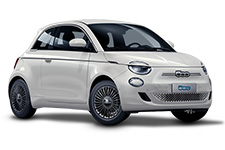
Compact historic streets and small bays reward a car with a modest footprint and a workable turning circle. A large estate or SUV copes well on motorways but can make roadside stops a chore. Prioritise the comfort of whoever drives most, settle the manual-versus-automatic question early, and count luggage honestly: rigid suitcases eat boot space far faster than soft bags, and wedging cases onto passenger seats spoils the trip for everyone.
Questions before you book
Which booking details cause the most problems for car hire in Sherborne?
Deposit handling, excess liability and fuel policy top the list, followed by late-return arrangements. Settling these before you confirm prevents surprises at handover.
How should I choose a hire car size for Sherborne?
Measure your luggage first, then your parking. A smaller car suits tight historic streets and short bays, provided the boot genuinely holds your bags and every passenger keeps reasonable legroom.