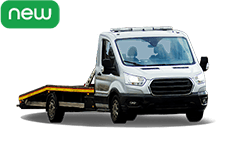
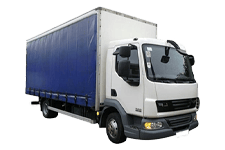
Choosing a truck for a job in Colwyn Bay works best when you weigh up what the task actually demands before discussing rates or paperwork. This guide walks through matching the vehicle to the load, planning around shifting dates, and the terms worth clarifying when you make contact.
Match the Vehicle to the Load, Not the Other Way Round
Start by listing what you actually need to shift. Palletised stock, bulky plant, tall or awkward items, and loose materials each place different demands on a truck's deck height, payload and loading method. Rather than naming a model you have used before, describe the cargo and let the rental team suggest a suitable option.
Plan Timing Around Real-World Uncertainty
Jobs rarely run exactly to plan, and coastal weather or restricted site access can push things back without warning. Before fixing dates, consider when the goods will genuinely be ready and how much slack you can absorb if a collection slips. Ask the provider how amendments are handled, what notice they expect for changes, and whether weekend handovers are possible.
Understand the Booking Terms Before You Commit
The commercial side deserves as much attention as the vehicle itself. Establish what deposit is taken, when it is returned, and how the insurance excess works if damage occurs. Check which documents you must present, what licence checks apply, and whether any extras such as additional drivers are charged separately. Clarify fuel arrangements and the condition the truck should be returned in, so the handback conversation holds no surprises.
Put a Complete Enquiry Together
A well-structured first message saves several rounds of emails. Include the nature of the cargo, its rough weight and dimensions, your preferred and backup dates, and where the vehicle needs to be used. Flag anything non-negotiable, such as a payload ceiling or access constraint, and confirm who will be driving so eligibility can be verified straight away.
Questions before you book
Which licence covers the truck I want to hire in Colwyn Bay?
It depends on the vehicle's gross weight. A standard car licence covers lighter commercial vehicles up to 3.5 tonnes, while heavier trucks need categories such as C1 or C. Confirm the exact requirement with the hire team once you know which vehicle suits your load.
How far in advance should I arrange truck hire?
There is no fixed rule, but earlier enquiries give you wider choice of vehicles and dates, particularly during busy periods. If your schedule might move, mention that flexibility when you first make contact so the provider can advise on amendment and cancellation terms.