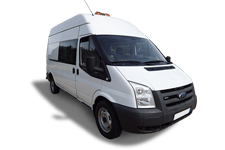
A crew trip works best when the vehicle matches the job rather than the other way round. Before discussing terms with any hire desk, it pays to work out how many people must travel, what kit they carry, and which roads they will use. This guide walks through that comparison step by step.
Matching the Vehicle to Crew and Cargo
Start by listing everyone who needs a seat and every item that needs stowing. Tools, exhibition stock, or instrument cases eat into floor space far faster than most teams expect, so measure the longest and heaviest pieces first. A crew-cab layout pairs extra seats with a partitioned load bay, but availability shifts with regional demand, so confirm early.
Timing the Trip Around Local Roads
Chapel-en-le-Frith sits among steep hills and narrow carriageways, and a high-sided vehicle magnifies both. Sketch the route before choosing a size, noting tight turnings, low bridges, and any loading restrictions near your destination. An extended chassis that suits open A-roads can feel unwieldy in a packed market square. If the driver will also be the newest licence holder, allow extra time for the run and pick a size they can manoeuvre without strain.
Understanding Booking Terms
Once the vehicle choice is settled, turn to the paperwork. Deposit amounts, damage waiver options, and fuel arrangements vary between hirers, so ask how each is handled before committing. Check whether weekend or bank-holiday hours affect collection and return, and confirm what happens if plans slip by a day. Reading these conditions while you still have flexibility beats discovering them at the counter.
Questions Worth Asking the Depot
A short enquiry can save a long delay. Ask which driving licences and proof of address are accepted, whether an additional driver can be added, and how payload limits are defined for the model offered. If your load includes fragile or unusually shaped items, describe them so the depot can suggest a suitable layout. Clear answers at this stage make handover day almost routine.
Questions before you book
What should we compare before settling on a van size for our crew?
Count the passengers who genuinely need seats, measure your bulkiest equipment, and weigh the combined load against the vehicle's stated payload. If the total leaves little margin, step up a size; if there is plenty of spare room, downsize for easier handling.
Does a bigger van make sense just in case we pack more than expected?
Usually not. Extra capacity means higher running costs and trickier parking on tight Derbyshire lanes, and the spare space rarely gets used. Hiring for your realistic load, with a clear plan for stacking items safely, delivers a steadier and more comfortable trip.