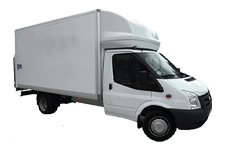
Renting commercial transport for the first time can feel like a leap into the unknown, especially when the load is awkward, valuable, or on a tight schedule. Rather than picking a body shape at random, work through a few practical questions beforehand and the whole exercise becomes far less stressful.
Match the Body Shape to What You Actually Carry
Begin with the cargo, not the vehicle. A long sofa, a stack of plasterboard, or a disassembled wardrobe each place different demands on floor space, door aperture, and roof height. Walk around your largest item with a tape measure and note its true dimensions rather than trusting memory. Payload matters too: dense materials such as sand, tiles, or tools can reach a weight limit long before the space fills up. Discuss both figures with the rental desk so the recommendation reflects reality rather than rough guesswork.
Time the Collection Around Your Working Day
Think honestly about how long loading, travel, and unloading will take. Rushing the final hours often leads to damaged goods or a stressed driver. Seasonal demand in coastal towns can tighten availability, so it pays to reserve early once your dates are settled. Ask how the hire period is counted and what happens if you overrun slightly, since grace arrangements differ between operators.
Understand the Terms Before You Sign
Rental agreements carry several details worth reading closely. Fuel policies, security deposits, and return conditions all vary, and surprises here are easily avoided with a short phone call. Clarify what the standard collision cover includes and whether tyres, glass, or the roof sit outside it. If a second person may drive, check whether they can be added and what documentation they will need to produce.
Prepare Your Details for the Enquiry
A smooth booking starts with having your paperwork ready. Your photocard licence, a recent proof of address, and any DVLA share code the branch requests should be gathered in advance. Note the licence categories shown, as larger commercial vehicles may sit outside what an ordinary motorist holds. Age thresholds and penalty point rules also apply, so raise them early rather than at the counter.
Questions before you book
Which vehicle should I choose for a mixed load in Falmouth?
Work from your bulkiest item outwards, checking internal dimensions and payload against your list. If you sit between two sizes, the roomier option usually prevents unsafe stacking or a second trip.
What documents should I gather before contacting a Falmouth branch?
Have your driving licence, proof of address, planned dates, and approximate mileage to hand. Ask whether a DVLA check code is needed, as administrative requirements vary between operators.