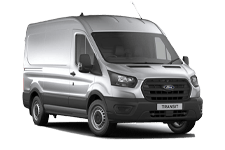
Balancing load volume against the realities of driving a larger commercial vehicle is often the central dilemma when arranging transport. Thinking through your route, loading needs, and comfort behind the wheel will help identify the most practical vehicle.
Matching the Vehicle to Your Load and Route
Start with the cargo itself rather than the biggest van on offer. Measure your bulkiest possessions, then consider whether they genuinely require a high roof or long wheelbase. A compact or medium van may mean an extra trip, yet it is far easier to handle along narrow country lanes and in crowded car parks. Jot down any pinch points you expect to encounter, tight junctions, narrow gateways, multi-storey entrances, because these often matter more than cubic metres.
Timing Your Booking Around Real-World Demands
Availability shifts with the seasons, so it pays to think ahead before demand peaks. Ask how far in advance reservations should be made, what collection slots exist, and whether returns can be arranged outside standard hours if your schedule runs late. Enquire how long a handover inspection typically takes and what condition checks are recorded before you drive away. If your moving day could overrun, find out what flexibility exists around return times. Building a little slack into your plans keeps the whole operation calmer.
Comparing Booking Terms Before You Commit
Damage waivers and excess liabilities vary noticeably between providers, particularly where roof scrapes on taller vehicles are concerned. Establish precisely what the standard package includes, how overhead damage is treated, and what deposit is held against the vehicle. Check whether mirrors, glass, and tyres fall under optional excess reductions, and ask about fuel expectations at return. Getting these details in writing before collection prevents awkward disagreements afterwards.
What to Cover When You Enquire
When you first make contact, have your dates, an estimate of the distance you expect to cover, your cargo dimensions, and the driver's licence details to hand. Confirm which identification is accepted, how DVLA check codes are handled, and what proof of address is needed. Ask about minimum licence age and how endorsements are viewed, so collection morning runs without surprises.
Questions before you book
How do I decide between a compact van and a larger model for a Towcester move?
Weigh your largest items against the roads and access points on your route. If tight lanes or restricted parking feature, a smaller wheelbase may prove safer, even if it means an additional trip.
Which paperwork questions should I ask before collecting the van?
Check accepted identification, the DVLA check code process, proof-of-address requirements, and any minimum licence age or endorsement rules, so validation at the desk is straightforward.