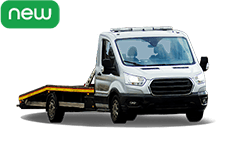
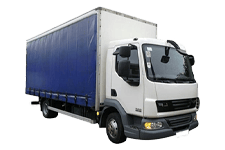
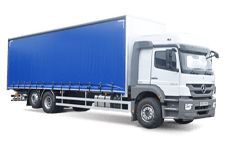
How much can the vehicle legally carry, and how long will the job actually take? Those two questions shape everything else when arranging a commercial vehicle for a group undertaking, so it pays to answer them before making contact.
Which Body Type Suits the Load?
A dropside suits loose materials that can be crane-loaded, whereas a box body protects furniture and boxed stock from weather. Tail-lift variants spare backs when there's no dock or forklift on site. Bear in mind that bulky but light items, insulation, packaging, flat-pack units, can exhaust floor space while leaving payload untouched; dense kit such as tools or building materials does the reverse. Passing on measurements and approximate weights lets staff suggest the right category, subject to what's free when you need it.
How Long Should the Booking Run?
Road time is only part of the picture. Wrapping and securing a load, queueing at site gates, and returning with a full fuel tank all eat into the day. Rather than squeezing the job into the shortest possible window, ask how half-days are charged, whether weekend collection is offered, and if a grace period applies at handback. A slightly longer agreement often costs less than a stressed crew making a second trip.
What Will the Agreement Actually Cost?
Quotations for commercial vehicles can hide variables worth unpicking early. Confirm the deposit amount, how fuel is charged on return, and whether an insurance waiver reduces your excess exposure. Damage exclusions deserve particular attention, overhead strikes and tyre incidents are common sticking points. Cancellation conditions matter too, especially if your project dates depend on other trades finishing on schedule.
Who Needs Naming Before Collection?
Only drivers listed on the agreement may lawfully operate the vehicle, so register everyone who might take a turn behind the wheel well ahead of handover day. Check which licence endorsements are accepted, whether a DVLA check code is required, and what minimum age applies to the heavier commercial categories. Sorting this paperwork early avoids awkward scenes at the depot counter.
Questions before you book
What details make an Ashurst Wood truck enquiry effective?
Include your hire window, the weight and dimensions of what's being moved, and the names of prospective drivers. Asking directly about deposits, excess cover and fuel terms at this stage produces quotes you can genuinely compare.
Does an initial enquiry reserve a truck in Ashurst Wood?
Ordinarily not. Vehicles are held only once a formal booking is made and confirmed by both sides, so treat any early conversation as guidance rather than a guarantee of availability.