Setting out on a cross-country haul with a small crew requires balancing payload space against in-cab seating. Selecting the right vehicle early prevents cramped travelling conditions and keeps cargo within safe, workable limits.
Start With What You're Carrying and Who's Coming
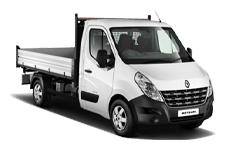
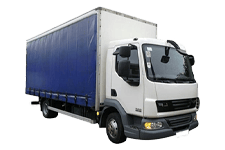
The first practical question is whether your freight and your crew can share one vehicle comfortably. Bulky or heavy goods eat into load volume quickly, and every additional passenger claims a proper belted seat in the cab. Crew-cab layouts and certain box bodies let a whole team travel together without squeezing the load behind them. Sketch out the rough dimensions of your largest items, count the seats you genuinely need, and let those two figures guide the chassis you shortlist.
Time Your Reservation Around Real Availability
Fleet stock shifts with the seasons, and popular models can disappear from availability lists well before peak weekends arrive. Once your travel dates are settled, it pays to enquire promptly rather than waiting until the week before. Flexibility on collection or return days sometimes widens the choice of vehicles on offer, particularly during busy agricultural or school-holiday periods around Hampshire.
Understand the Terms Before You Commit
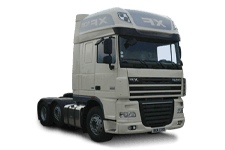
Hire agreements vary more than many first-time renters expect. Deposits, insurance excesses, fuel arrangements and mileage allowances all differ between providers, so it's worth reading the small print before signing anything. Check which driving licence categories the vehicle requires, standard entitlements generally cover trucks up to 3,500kg, while heavier commercial vehicles call for higher categories, and confirm what identity or paperwork checks will happen at handover.
Build a Clear, Complete Enquiry
A well-prepared enquiry gets a faster, more useful response. Set out your dates, an honest mileage estimate, the number of travelling crew, and the approximate size and weight of your load in one message. Mention any site-specific needs too, such as tail lifts or side access, especially if rural lanes or tight yard entrances feature on your route. With those details in hand, the hire team can recommend vehicles that genuinely fit the job rather than the nearest available option.
Questions before you book
Which licence do I need to drive a hired truck from Binsted?
It depends on gross vehicle weight. A standard car licence usually covers trucks up to 3,500kg, but anything heavier requires a higher category. Confirm the weight of your chosen vehicle and your own entitlement with the hire provider before collection.
Can I carry passengers as well as cargo in a hired truck?
Often, yes, provided the cab has sufficient belted seats and the payload isn't exceeded. Crew-cab configurations are designed for exactly this. State your passenger count and cargo details in your enquiry so a suitable layout can be recommended.