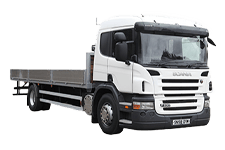
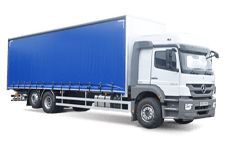
Jobs that combine a full crew with serious equipment call for more than a standard van. A truck gives you the seats and the load bed in one vehicle, but only if you match the specification to the working day. A little planning before you book saves headaches on site.
When should you lock in your hire dates?
Site work has a habit of running long, so think about your schedule before anything else. Ask how weekend collections, late returns and out-of-hours drop-offs are handled, since these details shape whether a hire actually fits your project. Demand for larger commercial vehicles tends to rise at busy times of year, so confirming early improves your odds of the model you actually want rather than whatever remains.
What booking terms deserve a closer look?
The paperwork matters as much as the vehicle. Find out how fuel returns are assessed, what deposit is held on collection, and whether any insurance excess can be reduced. It is also worth confirming which licence categories cover the trucks you are considering, particularly if several team members might share driving duties across the hire period.
How do you size the truck to crew and cargo?
Cab layout comes first: crew-cab designs carry extra personnel alongside the load bed, while standard cabs trade seats for carrying space. Then weigh your kit. Tool chests and plant equipment can exhaust a vehicle's legal payload long before the bed looks full, and overloading is a genuine safety hazard. If you expect to load heavy items by hand, ask whether a tail lift is available, remembering that the mechanism itself eats into the weight you can carry.
Which questions should you put to the hire desk?
The team behind the counter spot operational snags that customers routinely miss. Raise anything specific to your route or site, such as bridge clearances on the approach, and ask about security arrangements for the vehicle overnight. A short conversation before you drive away usually prevents the most common day-one problems.
Questions before you book
What is the best way to choose a truck for hire in Blaby?
Count the people travelling, then add up the weight and bulk of the equipment they need on site. Matching those figures against the specifications the hire team offers points you towards a chassis that is neither cramped nor paying for capacity you will never use.
Does a bigger truck always make the job easier in Blaby?
Not necessarily. Larger bodywork can be awkward in tight yards and compounds, and heavier vehicles may require particular licence entitlements. A truck sized accurately to your crew and load is usually the more practical and more comfortable option.