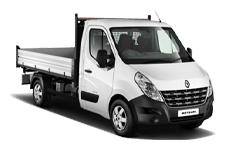
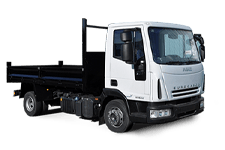
A larger commercial booking succeeds or fails on preparation. Work through your timetable first, then the financial terms, then the vehicle itself, and finally the detail of your enquiry. Following that sequence means each answer you give a rental team builds sensibly on the last, and nothing important gets left until the phone call is already underway.
Build your timetable before anything else
Start by sketching the working window your job genuinely needs, not the one you hope will do. If freight must reach several sites in a single day, note where queues at loading bays might stretch, and decide whether early collection or a late return buys you the breathing room. Ask the Brigg team directly about weekend availability and whether keys can be returned securely outside staffed hours, because an overrun on a Sunday evening is far easier to manage when you already know the options.
Settle the booking terms while you have leverage
Once dates look realistic, turn to money and paperwork. Establish what deposit will be held, which payment cards are accepted, and how a collision damage waiver applies to heavier vehicles specifically. Fuel return rules and mileage arrangements deserve a direct question too, since assumptions here cause the most disputes. Finally, confirm exactly which identity documents and licence checks happen at handover, so nobody in your crew is turned away unexpectedly.
Match the vehicle to the work it will face
With timing and terms settled, consider the machine itself. Total authorised mass is governed by whoever drives, so verify the licence categories your crew holds against the weight class you need. Then think about the freight: does it demand a tail-lift, internal tie-rails, or particular rear access for narrow yards? A multi-drop run around Brigg and nearby districts rewards a body type chosen for repeated stops rather than one long haul.
Assemble an enquiry that answers itself
Bring everything together in one message. State your collection and return dates, describe the route with any intermediate stops, list the loading equipment required, and name the drivers with their entitlements. Add your outstanding questions on deposits, excess, and verification so the response you receive is complete enough to book from.
Questions before you book
When should I contact a Brigg rental team about a truck?
As soon as your route and dates are drafted, ideally before the working week fills up. Early contact leaves room to adjust timing, confirm driver entitlements, and resolve deposit or document questions without pressure.
Which details matter most in a truck hire enquiry?
Dates with buffer time, the full route including intermediate stops, the loading equipment your cargo needs, named drivers with their licence categories, and direct questions about mileage terms, fuel returns, and insurance excess.