A truck hire goes more smoothly when the paperwork, the people and the vehicle itself are all settled before collection day. This guide walks through the terms to agree, the details worth including in your first enquiry, the timing to allow, and how to match the chassis to the job at hand.
Agree the Rental Terms Before You Commit
Start with the commercial side of the agreement. Ask how the mileage allowance is calculated, what deposit will be held against the vehicle, and what the standard excess is should damage occur. Fuel policies differ between providers, so confirm whether the truck should come back full or whether refuelling is charged at the depot rate.
Put the Right Details in Your Enquiry
A precise first enquiry saves a round of phone calls later. Outline what you are moving, roughly how heavy it is, and which loading features you expect to need, such as a tail lift or curtain sides. Name every person who will drive, along with the licence categories they hold, because goods vehicles sit above the entitlements of an ordinary car licence in many cases.
Allow Realistic Time at Collection
Treat pickup as an appointment worth protecting. Allocations can shift during busy periods, and a tight schedule leaves no room for a delayed release or a longer inspection. Build slack into the day so you can walk round the body, cycle the tail lift, and note any existing marks on the condition report. Rushing this stage risks disputes over damage you did not cause, so an unhurried half hour at the depot is time well spent.
Match the Vehicle to the Load
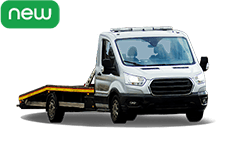
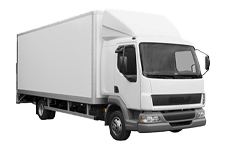
Finally, check the configuration suits the freight. Pallet counts, stacked heights and awkward machinery all influence whether a box body, a curtain-sider or a tail-lift model is the sensible choice. Describe the loading environment too; a forklift on site changes what you need compared with kerbside handling. A chassis that fits the task keeps the job moving without improvised workarounds.
Questions before you book
How far ahead should I arrange truck hire in Brixworth?
Contact providers as early as you can, particularly if you need a specific body type or have several named drivers to verify, since licence checks and deposit arrangements take time to complete before a booking is confirmed.
What happens if my load changes after I book?
Tell the provider promptly. A heavier or bulkier consignment may need a different chassis, and giving advance notice gives the depot the best chance of swapping you into a suitable vehicle rather than leaving you to manage with the wrong one.