A route that calls at several addresses in one day is a different animal from a single run out and back. From Builth, spreading goods across multiple drop-offs means thinking hard about how the load comes out of the truck, not merely how it goes in. The guidance below walks through the process from first enquiry through to handing the keys back.
Start With the Questions Worth Asking First
Your initial conversation with a hire provider sets the tone for everything that follows. Ask which licence categories each of your drivers holds against the gross weights you intend to run, since a mismatch here can derail the whole plan. Find out what paperwork is inspected at collection, how fuel is handled on return, and whether an additional driver can be added to the agreement.
Choose a Vehicle That Suits the Stops, Not Just the Load
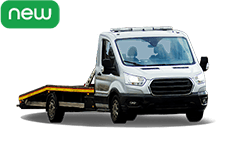
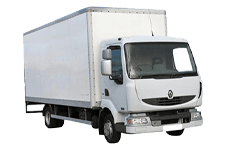
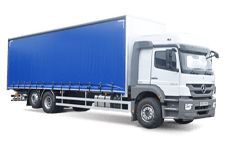
A truck that swallows your goods comfortably may still be the wrong choice if its dimensions fight the destinations on your list. Tight yards, restricted lanes, and sites with limited turning room all reward a more compact body or a tail-lift arrangement where heavy items are involved.
Plan the Day Around Dwell Time, Not Distance
Road miles between stops are rarely the bottleneck. Unloading, finding someone to sign for the goods, and re-securing whatever remains tend to eat the hours, especially where parking near an entrance is awkward. Sketch your schedule with generous pauses at each address, then build a further buffer before the return time so a slow intermediate delivery never turns into a late-return charge.
Settle the Booking Terms Before You Commit
Before signing, confirm how the deposit is held and released, what excess applies to any damage, and whether cover extends to every named driver. Check the handover and collection windows against your planned start and finish, and ask what the provider needs from you in advance. Locking these details down early keeps the commercial side as orderly as the route itself.
Questions before you book
What details should my first enquiry about a truck in Builth cover?
Open with your route shape: how many stops, what the goods weigh, and the access situation at each address. Add the licence categories your drivers hold and the times you would need to collect and return. Providers can then suggest a suitable specification rather than a generic option.
How far ahead should a multi-stop truck booking be arranged?
As soon as your route dates are firm. Availability of particular body types and lifting equipment can be limited at busy times, and an early approach leaves room to agree deposit terms, driver cover, and handover arrangements without pressure.