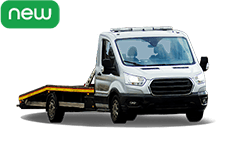
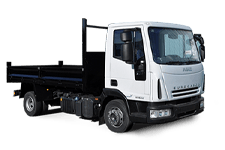
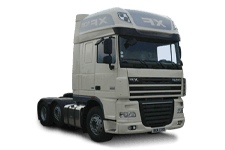
Choosing between a roomy box body and a smaller chassis is rarely straightforward. A bigger truck means fewer trips, yet a compact commercial vehicle often inspires more confidence on Chelford's narrow lanes and at gated farm entrances. Working through a few questions in order makes the decision far easier.
Which Vehicle Actually Suits Your Load and Your Driver?
Start by matching the body style to the cargo rather than guessing. Bulky but light items may fill a box before the weight limit is approached, whereas dense materials can hit the payload ceiling with space to spare. Then consider the person behind the wheel: a longer, taller vehicle handles differently, with wider turns and larger blind spots.
When Should You Schedule Collection, Return and Route Checks?
Timing shapes everything from vehicle choice to cost. Think about when the truck is genuinely needed, whether a weekend return is possible, and how loading and unloading will fit around the depot's handover windows. It is also worth walking your route in advance: low branches, tight rural junctions and restricted driveways can rule out a taller body or demand a tail lift. Checking both the collection point and the drop-off beforehand prevents awkward discoveries on the day itself.
What Should You Confirm About Cover, Deposits and Charges?
The headline price seldom tells the whole story. Ask how large the security deposit is, what collision damage waiver level comes as standard, and whether windscreens, tyres or underbody damage sit outside the basic protection. Fuel expectations and any mileage allowances deserve the same scrutiny, because unclear terms here are the usual source of end-of-hire disputes. Getting these details in writing keeps the final bill predictable.
What Details Make Your Enquiry Useful From the First Message?
A precise opening enquiry saves a round of phone calls. Summarise the cargo honestly, its rough weight, volume and any awkward shapes, and note any tricky access at either end. Availability can shift at short notice, so an accurate load summary lets the desk identify the right vehicle size quickly rather than defaulting to whatever is on the yard.
Questions before you book
What information should a Chelford truck enquiry contain?
Include a realistic estimate of cargo weight and volume, your preferred dates, an idea of intended mileage, and the details of every proposed driver. Flagging difficult access points at either end helps the team suggest a suitable chassis and body combination.
Does an enquiry reserve a truck in Chelford?
No, an initial conversation only checks what is currently available. A vehicle is generally secured once identity and licence details are verified, deposit or payment terms are settled, and the depot issues a formal booking confirmation.