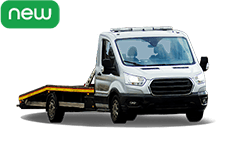
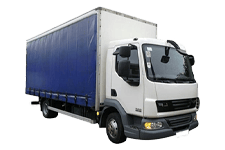
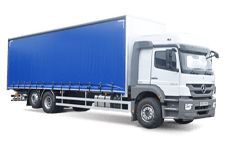
Freight moves, farm jobs and building work around Corwen each demand a different kind of commercial vehicle, so it pays to pin down what the task actually involves before discussing money or dates. This guide works through the decision in a sensible sequence: match the vehicle to the load first, then settle timing, then terms, and finally what to say when you enquire.
Match the vehicle to the load before anything else
Start with the cargo itself. Weigh or estimate your heaviest single item, then total the consignment, because payload brackets differ sharply between a box truck and a flatbed. Dimensions matter equally: long lengths of steel, stacked pallets or bulky plant each point towards a different body style. Walk the route too.
Build timing around the job, not the other way round
Once the vehicle choice is clear, think honestly about how long the work will take. Loading, unloading and travel across rural routes rarely run to plan, so allow slack rather than booking a single tight day. If your finish time could slip, ask in advance whether a late return attracts a further day's charge, and whether out-of-hours handback is possible. Rural availability can be limited, so confirming the window early protects your schedule.
Work through deposits, cover and driver terms next
With dates settled, turn to the financial and legal details. Ask what deposit or card pre-authorisation applies, what happens if you move the start date, and whether amendment fees exist. Discuss damage waivers and the excess levels on offer before you commit, not at the counter. Every named driver should be agreed beforehand: licences must match the vehicle's weight category, insurers may impose age or experience conditions, and adding a second driver can carry a surcharge.
Know what to say when you make the enquiry
A well-prepared enquiry saves a second phone call. Have ready your cargo's approximate weight and dimensions, both locations, and your preferred dates plus a fallback. Ask directly which documents each driver must produce, how the deposit is handled, and what cover options exist. Writing these points down before you ring means nothing important gets forgotten mid-conversation.
Questions before you book
Which vehicle details matter most when describing my job to a hire firm?
State the heaviest item and the total load weight, plus overall dimensions and any awkward access at either end. This lets the firm suggest a suitable payload bracket and body type rather than guessing.
What should I check about deposits if my dates are still uncertain?
Ask how the deposit is taken, whether card pre-authorisation applies, and what fees arise from moving a booking. Getting these answers before confirming avoids disputes if your schedule shifts.