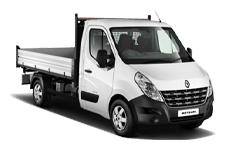
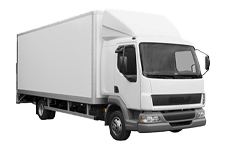
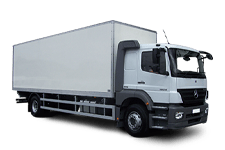
Picture tackling a property clearance in Edgmond: the biggest truck on the fleet looks appealing until narrow lanes and tight parking appear. Choosing sensibly means matching carrying space to the roads you will actually drive, so the day stays calm rather than chaotic.
Match the vehicle to the load and the lanes
Start with measurements. Note the height, width and depth of your bulkiest items, then count the boxes they will travel alongside. A generous cargo area reduces repeat runs, yet an oversized body can struggle on village bends and short driveways. Check tailgate height against any loading constraints at your addresses. A smaller, nimbler truck often proves the wiser pick when access is awkward.
Build the timetable before you reserve
Work backwards from your deadline. Allow time for loading, the drive itself, unloading, refuelling and the return journey, then add a buffer for traffic or a stubborn wardrobe. Decide your collection slot early, because availability tightens during busy spells. Confirm whether late return or out-of-hours drop-off is possible, so a running-late finish does not become a penalty problem.
Read the hire terms line by line
Look past the headline rate. Ask how the security deposit is taken and when it is released, what mileage allowance applies and how extra miles are charged, and which fuel state the vehicle must come back in. Find the collision damage excess figure and whether reduction options exist. Whoever drives should hold the correct licence category for the truck, meet any age rules, and disclose recent endorsements. Ask what identification to bring and whether a second driver changes the price.
Put the right details in your enquiry
A precise enquiry gets a precise answer. State your dates, collection point and expected return time. Describe the cargo in real terms, a two-seat sofa, six removal boxes, a chest freezer, rather than 'a few things'. Give the driver's age and licence type, mention any second driver, and ask directly about deposits, excess, mileage and fuel. Keep the replies in writing where possible. With those answers in hand, comparing options becomes straightforward and the booking you confirm should hold no surprises.
Questions before you book
What makes a truck suitable for Edgmond's narrow lanes?
A shorter, more compact body with good visibility usually handles village roads and driveways better than the largest option. Measure your cargo first, then choose the smallest truck that still fits everything in one or two trips.
Which details should I confirm before signing a truck hire agreement?
Check the deposit process, mileage allowance, fuel return condition, damage excess and driver eligibility rules. Agree collection and return times too, and ask how late changes are handled so nothing catches you out.