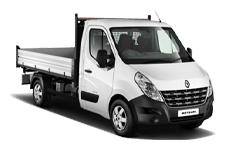
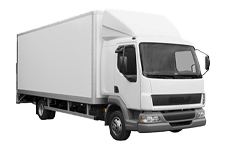
Getting people and kit to site in one trip sounds simple until you start matching seats against payload. A truck that swallows the load may leave someone behind; one that seats the gang may strain under the weight. Sorting the fit first, then the timings and the paperwork, keeps the whole operation steady.
Matching seats and load space to the job
Start with a headcount and a rough list of what travels with them. Weighty kit, awkward shapes and tall items each eat into space differently, so give the supplier your estimates rather than a guess at the model. Mention whether a tail-lift would help at the far end, and flag any tight gateways or low access at the destination.
Shaping the working day backwards from the deadline
Once the vehicle is settled, build the timetable around the return cut-off rather than the departure time. Traffic on rural routes, a slower-than-expected load-out and a fuel stop can all erode an afternoon quickly. Give the team a clear milestone for leaving site, with a little slack built in, so nobody is rushing the final leg. If you expect to run close to the wire, ask early what the arrangements are for evening or out-of-hours handback.
Agreeing the terms before you commit
Deposits, fuel policies and mileage thresholds vary between suppliers, so pin these down in writing. Driver eligibility matters too: check licence categories against the vehicle's weight, along with any age minimums, and settle who will be behind the wheel on which leg. Adding a second named driver costs little trouble at the outset and spares the rota if illness strikes. Read the cancellation wording carefully as well, site jobs shift, and the small print decides whether that costs you.
What to put in your first enquiry
A complete first message saves a round of phone calls. Include the headcount, the nature and rough weight of the load, your dates and the site's access constraints. Ask directly about deposits, insurance excesses, mileage allowances and what identification each driver must bring. The more precise the brief, the more accurate the quote and the smoother the collection morning.
Questions before you book
How far in advance should I book a truck in King's Bromley for a crew job?
As soon as your dates firm up. Availability shifts with demand, and early booking gives you a better choice of seating and payload combinations.
What documents do named drivers need at collection?
Typically a valid licence covering the vehicle category, plus proof of identity and address. Confirm the exact list with the supplier, as requirements can differ by vehicle weight.