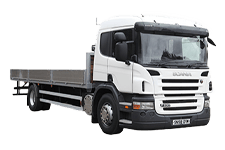
Some jobs need a vehicle that carries people and their equipment in one trip. Rather than jumping straight to quotes, work out first what your day actually demands, then judge each hire option against that list. This guide walks through the decisions in the order you should make them.
First decision: how long do you actually need the vehicle?
Map out the whole working day before fixing a hire period. Loading takes longer than people expect, moving between sites eats time, and the load area should be cleared and swept before handover. Run the numbers both ways: sometimes keeping the truck overnight and returning the next morning costs no more than a hurried same-day return, and removes the rush entirely.
Second decision: which hire terms matter most to you?
Suppliers structure their charges differently, so put the same questions to each one. What excess applies if the vehicle is damaged, and is there a way to lower it? Is fuel settled on a full-to-full basis or some other arrangement? How much deposit sits on your card, and how quickly is it returned? Comparing answers side by side makes the genuine differences obvious, and prevents awkward discoveries at the counter.
Third decision: which vehicle layout suits crew and cargo?
Start with the people. Every team member travelling needs a belted seat, so fix your headcount before looking at load space. With seats accounted for, assess whether the remaining cargo area holds your equipment properly: heavy items belong on vehicles with adequate lashing points, and the payload allowance must cover everything with room to spare. Exceeding it is dangerous and puts you in breach of the agreement.
Fourth decision: what should your enquiry contain?
A well-prepared enquiry gets a useful answer first time. Include your dates, the number of belted seats required, a rough estimate of your load's weight and bulk, and the licences your drivers hold, along with how long they've held them and whether any endorsements appear. Commercial vehicles are especially sought after in busy trading periods, so mention driver details early rather than waiting until collection.
Questions before you book
How far ahead should I arrange a truck for a Lancaster job?
Once your working dates are firm, make the enquiry. Booking early widens your vehicle choice and leaves time to sort driver eligibility, deposits and collection arrangements calmly rather than at the last minute.
What details make an enquiry for crew-and-equipment transport worthwhile?
State your hire dates, required belted seats, an estimate of the load's weight and size, and each driver's licence history. Suppliers can then recommend suitable vehicles and flag any restrictions immediately.