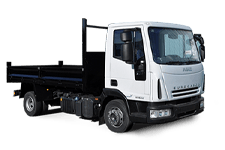
A day built around several drop-offs puts different demands on a truck than a single depot run. Every extra address adds a turn to negotiate, a load to reshuffle and a slot in the diary to protect. Working out your cargo and passenger arrangements first, then shaping the route around them, keeps the whole outing on track.
Build the Enquiry Around Your Full Stop List
Start with what the truck must swallow and who will travel in it. List each address in visiting order, note the weightiest or most awkward pieces, and decide whether one person drives the lot or duties rotate. Suppliers can only match you to the right vehicle when they see the whole picture, so include rough loading and unloading durations at each halt.
Check the Vehicle Suits Every Approach, Not Just the First
A cab that glides into an industrial yard may flounder outside a terraced house with a narrow forecourt. Walk or mentally drive the route to each stop, watching for tight bends, overhead obstructions and limited kerb space. Reverse-loading matters too: goods destined for the opening call should sit nearest the doors, with heavy items spread low and centred over the axles. Tail-lift preference and internal dimensions should be settled before you commit, as fleets shift with seasonal demand.
Leave Room in the Timetable for the Unexpected
Multi-drop days rarely run to plan. Waste-site queues, missing gate codes and a slow unload at stop two all push later calls back. Give each location a generous window rather than a best-case guess, and think about whether the return leg could collide with rush hour. If the day might overrun, raise it with the hire desk when you first make contact rather than at closing time.
Settle the Booking Terms Before Collection Day
Ask how the agreement handles additional named drivers, what licence categories and identity checks apply, and whether keys can be returned outside staffed hours. Clarify deposit arrangements and how cover applies if the truck leaves the highway or changes hands mid-route. Confirming these points early means paperwork is ready when you arrive, and the vehicle leaves the yard without delay.
Questions before you book
What should a multi-stop truck enquiry in Lightwater cover from the outset?
Give the ordered stop list, approximate cargo volume, the bulkiest items, driver numbers and expected time on site at each address. That combination lets the supplier judge both vehicle fit and schedule realism.
Does an early enquiry hold a truck for my dates?
An initial conversation establishes suitability and requirements, but nothing is firmly reserved until documents are verified and the hire terms have been formally accepted.