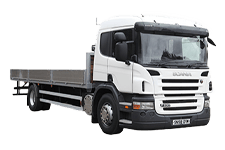
Organising a long-distance move with a small crew requires balancing freight space against passenger travel. While load volume often takes priority, spending hours on the motorway means cab layout matters just as much as what goes in the back.
Sort the booking terms before anything else
Long journeys frequently run against mileage caps and strict return windows, so it pays to interrogate the paperwork first. Discuss fuel reconciliation policies, deposit procedures, and what happens if weekend traffic delays your arrival back. Ask how additional drivers are registered and which documents the provider expects to see; resolving these points early prevents stressful hold-ups on departure day.
Prepare a precise enquiry
A vague request tends to produce a vague answer. When you get in touch, describe the journey you have in mind, the window you need the vehicle for, and roughly how many people will travel with the driver. Mention whether your load leans towards dense items or bulky but light ones, because that distinction shapes which trucks the provider can sensibly offer. The clearer your brief, the more useful their recommendation.
Build in time around the run
Extended trips deserve a schedule with slack in it. Loading always takes longer than expected, breaks matter when several people share the cab, and unforeseen hold-ups on the road can push your return past the agreed slot. Confirm when the vehicle must come back, whether out-of-hours returns are possible, and what flexibility exists if your plans shift. Leaving margin in your timings keeps the whole exercise far calmer.
Match the vehicle to route and crew
Tight turnings, low tree canopies, or steep residential drives can catch out an oversized vehicle, so map your entire route before settling on outer dimensions. Check clearance heights and access at both ends. Then think about the people: carrying helpers across significant mileage demands proper belted seating, and double-cab arrangements or three-seater front benches can save the expense of running a chase car. Verify driving licence entitlements for the expected unladen weight, and remember that bulky furniture eats floor area while cartons of books or machinery eat into payload without filling the body.
Questions before you book
What details make an Oakham truck enquiry productive?
Outline your route, the dates you need, how many will travel, and the nature of your cargo, then ask about mileage allowances, deposits, and driver requirements in the same conversation.
How far ahead should I arrange a truck in Oakham?
As early as you can, since fleets fluctuate and specific models may not always be available at short notice, particularly around busy moving periods.