Hiring a truck runs more smoothly when you treat it as a sequence: choose the body that suits your freight, map out a generous timetable, agree the booking terms, then hand over the right documents at the counter. Work through each stage in order and collection day tends to look after itself.
Match the Body Style to How Goods Move
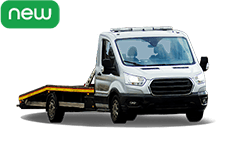
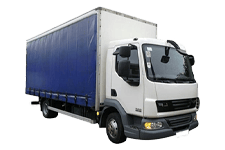
Start by watching how cargo will actually travel from ground to deck. Palletised stock and heavy appliances benefit from a hydraulic tail lift, though the mechanism trims a little usable payload. Loose furniture and boxed belongings often load faster through a low-loader luton, where stepping straight in beats cranking anything. Picture the flow at both ends of the trip before fixing on a format.
Give the Day More Room Than You Think
Once the vehicle is settled, turn to the clock. Strapping awkward loads, easing through tight rural lanes, and waiting on site access all eat minutes that a map never shows. Pad the itinerary so the return happens calmly rather than against a closing cut-off. It is also worth asking, well ahead, whether out-of-hours handbacks are possible or whether the keys must come back while staffed.
Settle the Terms Before You Commit
With timing roughed out, review what the agreement actually says. Excess levels, windscreen cover, and liability for overhead damage vary noticeably between agreements, so read those clauses rather than assuming. Find out how a deposit is held on your card, since a large temporary block can squeeze working funds. Fuel expectations at handover, plus any mileage allowance, deserve the same early attention.
Arrive at the Counter Fully Prepared
The final stage is paperwork. A car licence covers vehicles up to 3.5 tonnes gross, but heavier lorries call for C1 or Category C entitlement, and availability shifts between weight classes, so check what your named drivers hold in advance. Bring the photocard details and endorsement codes the desk expects to see, together with your dates, freight description, and intended route length.
Questions before you book
What decides which truck format suits a job in Olney?
Loading method matters as much as capacity. Work out the heaviest single item and the total weight first, then decide whether a tail lift or step-in deck matches how goods will be handled at each address.
What details should an Olney truck enquiry set out?
Include your dates, rough mileage, the nature of the load, and the licence categories your drivers hold. Raising deposit size and return flexibility at first contact keeps the handover free of surprises.