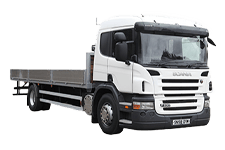
Moving a working crew alongside kit, luggage, or tools requires an honest appraisal of cabin seating versus load volume. Sizing the vehicle correctly avoids cramming bags into footwells and keeps your team travelling comfortably within sensible weight allowances.
Open with the Practical Details of Your Trip
A useful enquiry starts with the shape of the job rather than a preferred model. Note when you need the vehicle, how many people will ride in the cab, and roughly what weight or bulk you expect to carry. Mention the route too: town-centre drops, site entrances, and overnight parking all influence which truck makes sense. Supplying this picture upfront lets the hire team suggest suitable options and flag anything, licence category, deposit size, or availability, that needs resolving before you commit.
Match the Truck to Crew and Cargo
Bulk often matters more than deadweight when crates, gear bags, and equipment travel together, so itemise everything intended for the hold and check whether items stack safely. A team carrying bulky baggage can rapidly exhaust deck space if they overlook clearance needed for protective packing. Cabin layout matters equally: crew cabs solve seating shortages, but larger chassis dimensions test less experienced operators.
Time Your Booking Around Demand and Access
Kerbside spaces, low branches, and uneven gravel dictate vehicle suitability just as much as interior cubic capacity. If stops involve height barriers or tight yards, confirm the truck can clear them safely. Fleet availability shifts across busy periods, weekends, term-time peaks, and seasonal moves, so exploring options early prevents unwelcome compromises. Leaving a little flexibility on collection or return dates widens your choice of platform considerably, particularly if you need a specific cab configuration.
Settle the Terms Before You Sign
Before committing, check which identification and licence records your drivers must present on collection day. Ask how the insurance excess works, what security deposit is held, and which fuel policy applies at handback. Clarify mileage arrangements in advance so the total cost stays predictable, and confirm the procedure if you plan to return keys outside standard hours. Getting these points in writing keeps the hire smooth from start to finish.
Questions before you book
How do I decide which truck to hire in Orpington?
Work from your trip first: tally passengers against equipment volume so everyone has a proper seat without sacrificing cargo room. Then match the platform to your drivers' confidence and licence limits, checking clearance at every planned stop.
What should my Orpington truck hire enquiry cover?
Give your dates, headcount, and expected load in one clear message. Ask which documents drivers must show, how deposits and excesses operate, what the mileage terms are, and how out-of-hours returns are handled.