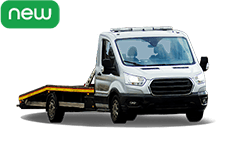
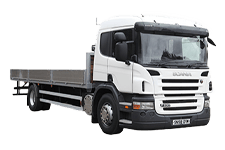
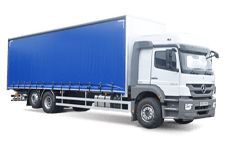
Imagine your firm has won a short contract near Pitstone and must collect bulky plant equipment at short notice. Choosing a commercial vehicle is less about guessing cargo space by eye and more about matching the machine to real operating constraints. This guide walks through the decisions in the order most hirers actually face them.
Which truck actually suits the load?
Start with the awkward truth: dense items such as machinery or palletised trade stock frequently hit a vehicle's legal weight ceiling while the load bed still looks half empty. Weigh or estimate the kit you intend to shift, then add packaging, straps and pallet boards to the figure. Think too about how goods will leave the ground at each end, since an integrated tail lift can spare your team a great deal of awkward lifting when ramps or forklifts are unavailable.
When should the vehicle be reserved and returned?
Working back from a fixed site handover is the safest way to set your rental window. Allow slack for slow traffic, late equipment release or a longer loading session than anticipated, because commercial fleets in any given area can be heavily booked during busy trading periods. It is worth confirming at booking stage how the provider treats fuel policy questions, mileage arrangements and requests to extend, so a job that overruns does not become an emergency.
What do the booking terms require of the driver?
Bigger platforms often sit beyond the 3.5-tonne category B entitlement carried by an ordinary car licence, so pin down who will drive before committing. Ask which licence categories, minimum ages and endorsement rules apply to the vehicles you are considering. Checking identification requirements, deposit sums and insurance choices at the same time avoids surprises on collection day.
Can the vehicle physically reach and stand at each location?
Narrow country lanes, shared industrial yards and gated compounds each bring their own spatial puzzles. Measure overhead clearances, gate widths and turning room against an extended chassis, and consider whether soft, unpaved ground could rut under a fully laden vehicle. Walking the route or asking the site contact beforehand is usually time well spent.
Questions before you book
What details should a Pitstone truck hire enquiry cover?
Describe the cargo's approximate weight and dimensions, your intended dates, the rough distance involved, and who will be driving. Adding questions about paperwork, deposits and insurance up front makes the exchange far quicker.
How do I pick the right truck in Pitstone?
Match payload capacity, load length and loading arrangements to your job, then check the candidate vehicles against your driver's licence entitlement. Providers can usually suggest a suitable option once they know these constraints.