A long-distance run carrying both passengers and a serious load is decided well before the wheels turn. The wisest approach is to work out what you actually need, then match a vehicle and a hire agreement to that picture. Rushing the sequence usually means settling for whatever is left on the forecourt.
Build your enquiry before you call anyone
Write down the essentials first: how many people will travel, roughly how much weight and bulk you are moving, the distance involved, and any bridges, car parks or gateways with height or width restrictions on your chosen route. Note whether the same driver will cover the whole trip or whether several people will share the wheel, since this affects insurance arrangements.
Choose a vehicle that suits people and payload
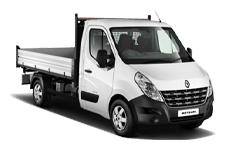
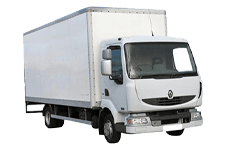
Once your needs are clear, compare layouts rather than fixating on one model. A crew configuration keeps passengers comfortable across long hours, while a box body prioritises cargo. Describe your goods and the access situation at both ends of the journey so the supplier can recommend something that will actually fit.
Shape a timetable that survives contact with the road
With the vehicle settled, turn to scheduling. Build in comfort stops, meal breaks and a buffer for congestion, and arrange passenger pickups so the group assembles without eating into your driving window. Ask how collection appointments run, what the pre-hire inspection covers, and how late returns are handled if your return leg runs long. A timetable with slack in it keeps the day calm even when something slips.
Sort out licences, deposits and booking terms
Finally, confirm the paperwork. Larger goods vehicles sit outside ordinary car entitlements, so verify that every nominated driver holds the correct category before you sign anything. Check what identification the firm needs, how the deposit is taken and returned, whether extra drivers can be added, and what excess or damage options apply. Agreeing these terms in advance prevents awkward surprises at handover.
Questions before you book
Which details should a long-distance truck enquiry from Plumpton include?
State your passenger count, the approximate size and weight of the load, the route and its distance, and any height or access limits you expect to encounter. Add questions about driver licence categories, deposit terms and insurance excess so the quotation reflects your real circumstances.
How can I keep a long journey with passengers on schedule?
Plan pickups and breaks into the itinerary from the outset rather than improvising on the day, and leave a margin for traffic. Confirm the collection and inspection process with the hire firm beforehand, and ask how out-of-hours returns work in case the road delays you.