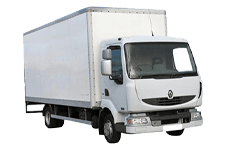
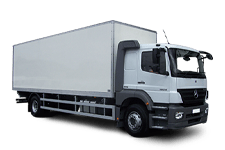
Splitting a domestic move across two full days changes how you assess vehicle capacity, turnaround times, and driving fatigue. Pinning down the physical scope of your furniture and boxes before browsing fleet options ensures you secure a workable chassis rather than guessing under pressure.
When should collection and return slots be arranged for a two-day move?
Set your dates around the rhythm of the move itself: loading at the first property, an overnight pause, then unloading the following day. Weekend and end-of-month demand can tighten what's on the forecourt, so lock in your window once the dates feel firm. Ask how early collection can begin on day one and what the return procedure looks like at the end of day two, including fuel documentation and any out-of-hours key arrangements.
What booking terms and cover should be settled in advance?
Rental paperwork carries its own vocabulary: indemnity tiers, refundable deposits, and damage liabilities that vary between agreements. Query the standard excess, which payment cards the depot accepts, and whether elements such as cab roof damage or tyre scuffs sit outside standard cover. Sorting these points before you arrive at the counter keeps the handover brisk and avoids last-minute surprises.
How do you match the vehicle to your household contents?
Work through each room and note the awkward items: wardrobes that won't dismantle, a fridge-freezer, crates stacked three high. This gives you a realistic sense of floor area and payload rather than a vague guess. Mention the list when you enquire, since staff can point you towards a body style with a hydraulic tail-lift or extra internal height if your heaviest pieces warrant it. Matching the chassis to the load spares you double handling across both days.
Which details are worth confirming when you make the enquiry?
Beyond dates and vehicle type, ask about the practicalities that shape a two-day job: access clearance for a driveway at each address, secure overnight parking for the loaded vehicle, and who on your team holds the right licence category for the weight you're considering. Checking photocard entitlements for every prospective driver early on means the workload can be shared without legal doubts.
Questions before you book
How do I choose the right truck for my job in Wales?
Measure your largest furniture pieces, evaluate access widths at both properties, and discuss payload thresholds with the rental provider. Sharing your packing list helps staff recommend a vehicle with sufficient space and weight capacity.
Can licence requirements affect which truck I hire in Wales?
Holding a standard Category B car licence restricts you to lighter commercial categories. Drivers wanting larger box trucks should verify their licence codes beforehand to establish whether higher category entitlements are legally required.