Before you commit to anything, work out exactly what your load involves and who will be at the wheel. A short enquiry built around those two facts usually sorts suitable trucks from unsuitable ones far quicker than browsing blind.
Build Your Enquiry Around Real Details
Start by listing what actually needs moving: pallet counts, awkward machinery, or stacked removals cartons all point towards different answers. Note the driving licences your crew holds, since gross weight thresholds decide whether standard entitlements suffice or Category C qualifications and driver cards come into play. Send these facts to the hire desk in one go. A precise first message means fewer follow-up calls and a much sharper shortlist of available bodies and sizes.
Match the Vehicle to the Job at Hand
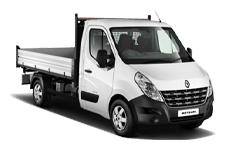
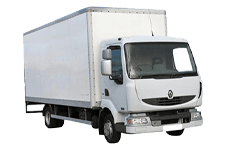
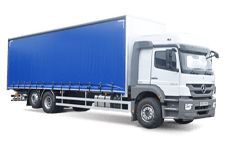
Tail lifts suit heavy items rolled on and off by hand, whereas drop-sides welcome forklift access at industrial sites. Curtain-sided models let loaders work from either flank, which matters where space is tight. Think too about the destination itself: confined yards, low canopies, or narrow residential approaches can rule out taller cab configurations. Flag any such constraints when you enquire so the depot can steer you towards a chassis that actually fits the drop-off point rather than one that merely looks right on paper.
Allow Slack in Your Operating Window
Rushed schedules are where hires go wrong. Build breathing room between collection, transit, and unloading, because traffic hold-ups or slow packing rarely announce themselves in advance. Compressed slots tend to produce either hurried departures or late returns that attract extension charges. Ask how the depot handles returns that overrun the agreed window, and whether flexibility exists on the day. Knowing the answer beforehand keeps your team calm if the timetable slips.
Sort Deposits and Handover Terms Early
Security bonds, fuel policies, and excess waivers each work differently between operators, so clarify them before arrival rather than at the counter. Ask which payment methods the bond accepts, how condition checks are logged at handover, and whether out-of-hours return is possible. Walking through these points upfront means collection day involves nothing unexpected.
Questions before you book
What details should my West Horndon truck enquiry include?
Give your intended dates, cargo description, approximate mileage, body-style preference, and each driver's licence category. It also helps to ask about deposit amounts, fuel logging, and the condition checks performed at handover.
How far ahead should I book a truck in West Horndon?
The earlier the better, particularly when you need a specific body type or hold a non-standard licence that limits which vehicles qualify. Early contact also leaves room to resolve access or timing questions properly.