A crew moving heavy gear together has two problems to solve at once: the load and the people. Get the hire paperwork straight first, then work outwards towards the vehicle that actually fits both.
Nail Down the Commercial Terms Before Anything Else
Deposit arrangements, mileage caps and fuel policies vary enough to reshape a budget, so raise them at the very start of any enquiry. Find out how collision cover responds in practice, whether after-hours returns are possible, and precisely which documents the desk will want to see. A short list of questions now prevents awkward surprises on collection day.
Prepare the Details Your Enquiry Will Need
Providers answer faster when you arrive organised. Have each nominated driver's licence category to hand, along with any age or verification conditions the desk may apply, since larger commercial vehicles often demand endorsements not every team member holds. Keep your proposed dates flexible in wording even if fixed in intent, because availability shifts during busy spells and a workable alternative is easier to secure when you know your essential requirements.
Time the Booking Around Your Working Schedule
Think about when the vehicle is genuinely needed rather than when the job starts. If unloading happens over two mornings, a single longer hire may beat two short ones. Ask about collection and return windows early, and confirm what happens if a site overrun delays the handback. Building a little slack into the timeline costs less than a rushed second booking.
Match the Vehicle to Load, Crew and Streets
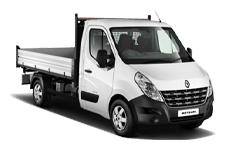
Names on a fleet list rarely reveal cab seating or true load limits. List the bulky materials, plant machinery and personnel travelling together, then weigh that against route realities: narrow approach lanes, low bridges and cramped unloading bays can dictate limits just as firmly as payload weight. A tail-lift box model protects tall equipment; a drop-side flatbed suits palletised deliveries. Where a long wheelbase risks blocking traffic or fighting tight turns, something more compact usually serves better.
Questions before you book
What should I check first when hiring a truck for a crew job in Winchester?
Start with the commercial terms: deposit, cover, mileage and return procedures. Then match cab seating and cargo space to your team and equipment, and raise any site access constraints with the provider directly.
How do I judge whether a truck will cope with a tight Winchester site?
Walk the route mentally, noting gates, bays and the narrowest pinch points. If an extended chassis would struggle to turn or park without obstructing others, a shorter wheelbase is the safer choice.